 alt Hacker News
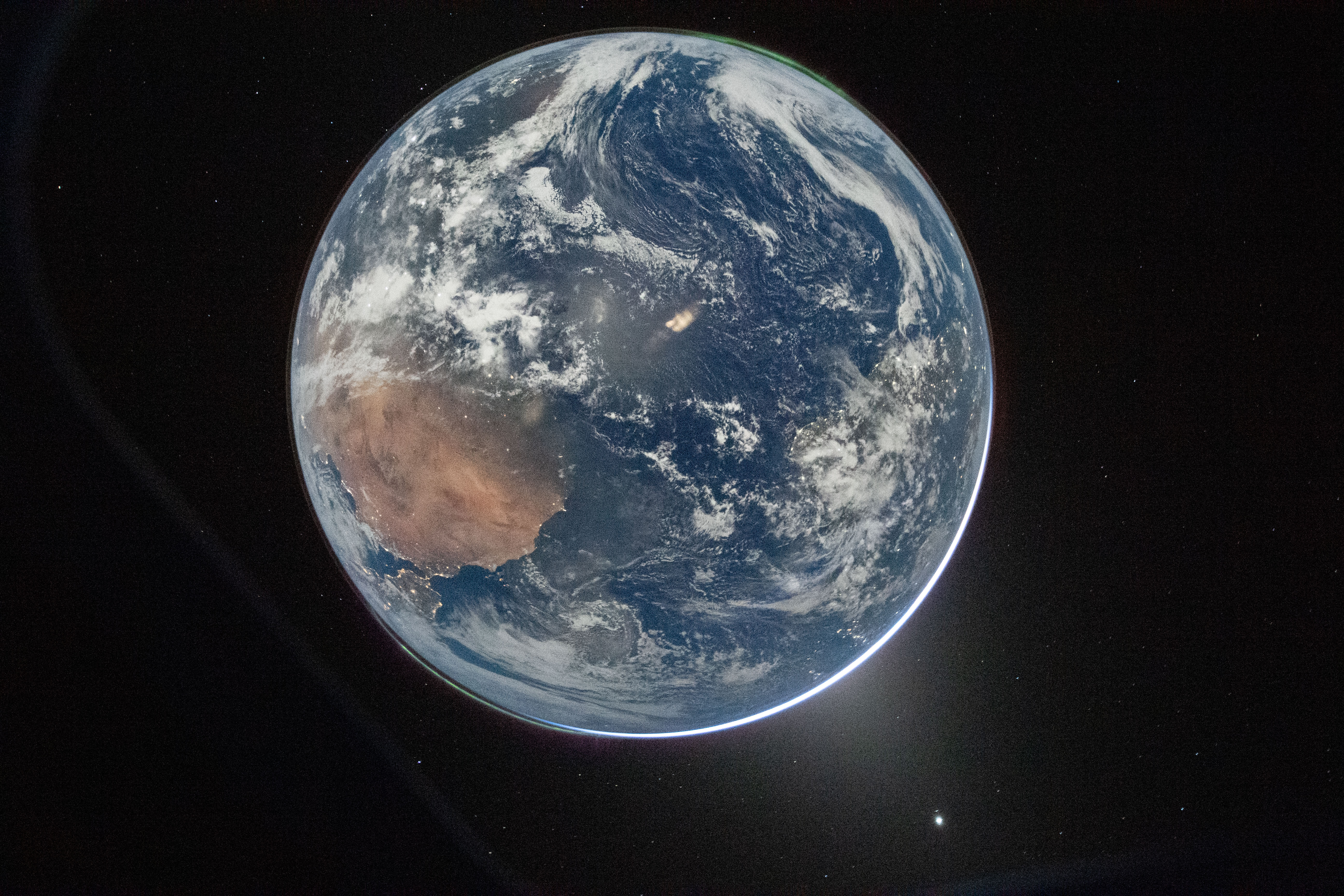
Looking at the EXIF (with exiftool) for the image uploaded by NASA (https://www.nasa.gov/wp-content/uploads/2026/04/art002e00019...), apparently this was taken by a Nikon D5 with an AF-S Zoom-Nikkor 14-24mm f/2.8G ED and developed with Lightroom. It also seems like very little was done in Lightroom. Amazing... I dumped the whole EXIF here: https://gist.github.com/umgefahren/a6f555e6588a98adb74eed79d...
Replies
Yes, the D5s are the 'official' Handheld Universal Lunar Cameras (HULCs), but (a?) Z9 also got on-board at the 'last minute' (which means two years ago):
* https://petapixel.com/2026/04/02/a-nikon-z9-made-it-aboard-t...
They have a thermal blanket for exterior work:
* https://petapixel.com/2026/02/24/artemis-ii-astronauts-will-...
* https://petapixel.com/2025/01/10/the-custom-nikon-z9-and-the...
* Various stories with the "Artemis" tag: https://petapixel.com/tag/artemis/
The D5 has been used on the ISS, including EVAs, since 2017, so they're a known quantity:
* https://en.wikipedia.org/wiki/List_of_cameras_on_the_Interna...
The Mercury and Apollo missions used Hasselblad 500-series-based cameras (modified):
* https://www.hasselblad.com/about/history/hasselblad-in-space...
Before Lightroom it might have looked closer to this: https://images-assets.nasa.gov/image/art002e000193/art002e00...
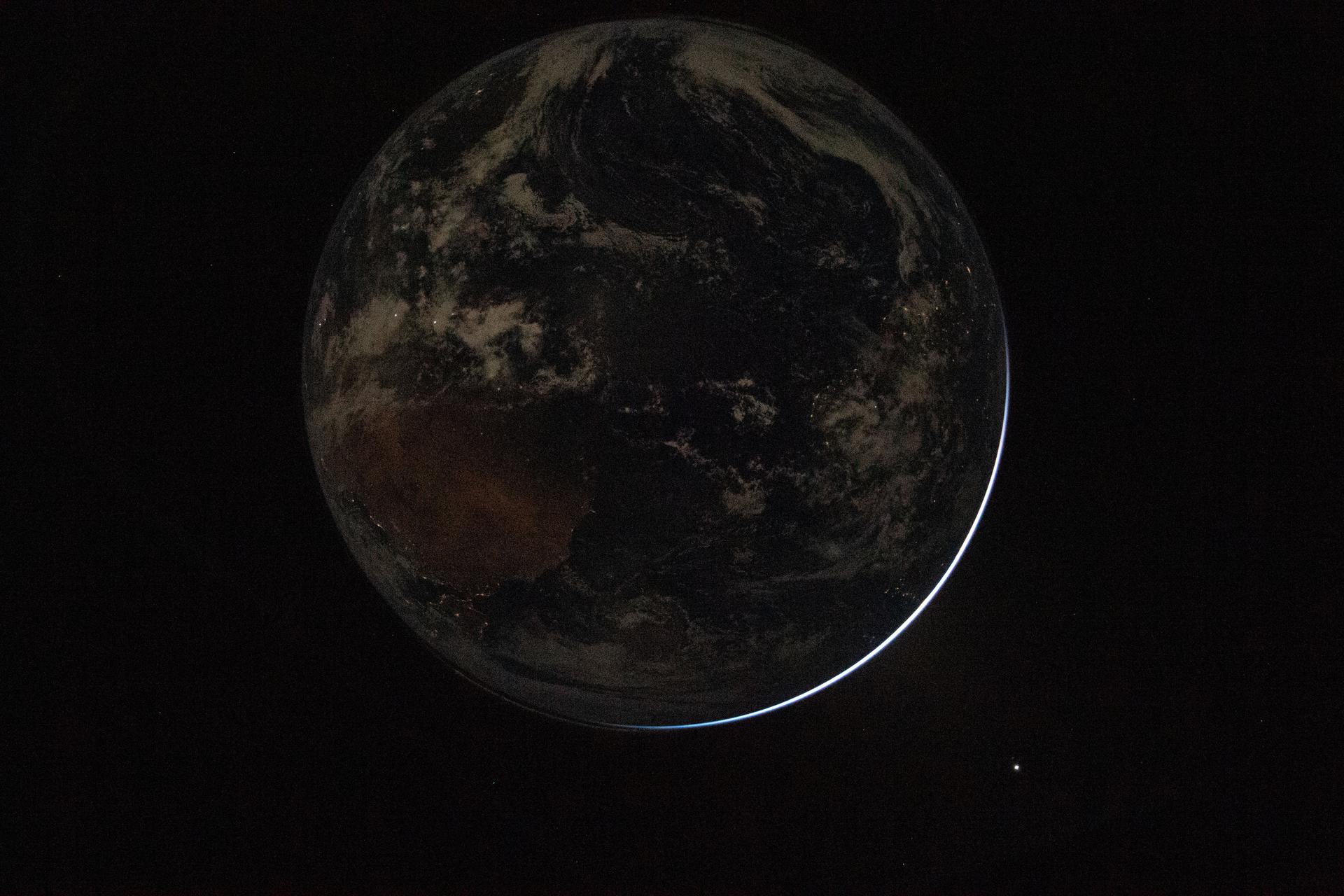
I'd have probably shot it wide open at f/2.8 rather than cranking the ISO up to 51200. Incredibly impressed at the steady hands for a sharp image at 1/4 s shutter speed though! Maybe they just let the camera float in space with the mirror up, triggering it remotely.
Nice. It would've been cool to see what the location information in the EXIF looked like, if it were there.
250 ms f/4 ISO 512000 in case anyone was wondering. I wonder if they applied any denoise, it looks great for such high ISO
While the D5 is a great camera it's ~10 years old. Wonder why they didn't go for the Z9 which is its modern mirrorless equivalent.
...
My only curiosity, and yeah I know orders of significance etc...
Buuuuut I wonder why they didn't consider a Z5[0][1] and the Z mount 14-24, or the Z5 with an adapter for the F mount 14-24....
There's at least a pound of weight savings on the table.
Specifically, I wonder if it's a fun reason? i.e. it would be interesting if there was a technical reason like 'IBIS fails miserbly' or 'increased sensor resolution adds too much noise' (even at that ISO you gave from the EXIF...)
[0] I'm really more of a Sony person but am thus keenly aware about importance of UX feel, so I tried to keep the question apples to apples here.
Edited to add:
[1] Per [0] I may be stupid in thinking the Z5 is a 'at least minimal' substitute so happy to learn something here.
Wild. I saw a quick glance and assumed the Z9 but the D5 is near the peak of the DSLR world so I guess.
The EXIF data says that the picture was taken with the flash off!
How did they get the Earth to light up when it is obviously dark outside? Is this fake?
Any GPS data? I wonder if it would pick anything up. Altitude reading would be interesting!
It also seems like very little was done in Lightroom.
This is consistent with good photographic technique that prioritizes "getting it right in the camera."
Thanks! This was my first question.
Almost 6 decades later, Omega still has a firm hold on NASA by the wrist. https://www.gearpatrol.com/watches/omega-speedmaster-artemis...